Why Do I Feel Broken Even Though Nothing "Bad Enough" Happened?
One of the most common things I hear in therapy is, “I don’t know why I’m struggling. Nothing that bad happened to me.” People often tell me they had food on the table, parents who loved them, and a childhood that looked fairly normal from the outside. Almost immediately, they begin comparing themselves to other people. “Other people had it so much worse,” they’ll say. “I don’t think I have the right to complain.”
If you’ve ever found yourself thinking this way, you’re certainly not alone. Many people believe they need to have experienced obvious abuse or a major traumatic event before their struggles are legitimate. Unfortunately, emotional pain doesn’t work that way. Our nervous systems don’t measure suffering by comparing our lives to someone else’s.
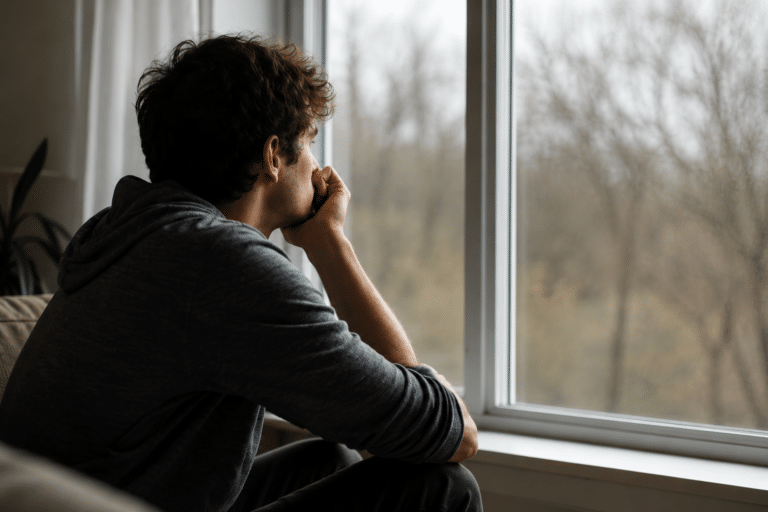
Does Trauma Have to Be Something Extreme?
When most people hear the word trauma, they picture events like physical abuse, serious accidents, combat, or natural disasters. Those experiences can absolutely be traumatic, but they aren’t the only experiences capable of leaving lasting emotional wounds.
Sometimes trauma develops much more quietly. Growing up with a parent who was emotionally unavailable, highly critical, unpredictable, or emotionally immature can shape the way you relate to yourself and others for decades. No single moment may stand out as “the traumatic event,” but the cumulative impact of those experiences can be profound.
It's Often the Pattern, Not the Event
One reason people struggle to recognize their own trauma is because they’re looking for a single defining experience. In reality, many emotional wounds develop through repetition rather than catastrophe.
Being criticized every day, walking on eggshells around a parent’s moods, feeling responsible for everyone else’s emotions, or learning that your own feelings didn’t matter may not seem significant in isolation. However, when those experiences happen over and over throughout childhood, they begin shaping how you see yourself, other people, and the world around you.
Over time, these repeated experiences teach your nervous system what to expect. If home rarely felt emotionally safe, your brain may have learned to stay alert for danger long after the danger was gone.
Why Do I Feel So Broken?
Our brains are remarkably good at adapting to the environments we grow up in. If making mistakes led to criticism, perfectionism may have developed as a way to avoid rejection. If expressing emotions wasn’t welcomed, emotional suppression may have felt safer than vulnerability. If conflict felt unpredictable, becoming highly aware of other people’s moods may have helped you anticipate problems before they happened.
These patterns aren’t signs that something is wrong with you. They’re evidence that your nervous system learned strategies that helped you survive. The challenge is that strategies designed for survival often become obstacles later in life, showing up as anxiety, people-pleasing, overthinking, emotional numbness, or a persistent feeling that you’re somehow not enough.

Why Comparing Yourself to Others Doesn't Help
Many people dismiss their own pain by comparing it to someone else’s. They tell themselves that because another person’s childhood was objectively worse, they have no right to struggle.
The problem with comparison is that it rarely creates perspective—it usually creates shame. Someone else’s suffering doesn’t erase your own experiences or change the impact those experiences had on you. If your relationships feel difficult, your anxiety feels overwhelming, or you constantly question your own worth, those struggles deserve attention regardless of how they compare to anyone else’s.
Maybe You Aren't Broken After All
One of the most meaningful shifts people make in therapy is changing the question they’re asking. Instead of wondering, “What’s wrong with me?” they begin asking, “What happened that taught me to respond this way?”
That shift changes everything. Rather than seeing yourself as defective, you begin to understand that your thoughts, emotions, and behaviors developed for understandable reasons. Many of the qualities you’ve spent years criticizing were once your mind’s best attempt to keep you safe.
How Therapy Can Help
Therapy isn’t about deciding whether your experiences qualify as trauma. It’s about understanding how those experiences continue to influence your life today.
Trauma-informed approaches such as EMDR and Internal Family Systems (IFS) therapy help people understand the protective patterns they’ve developed while creating new ways of responding that feel more flexible and authentic. As people gain insight into why they think, feel, and react the way they do, many discover that the shame they’ve carried for years begins to soften.
You Don't Need Permission to Heal
If you’ve spent years wondering whether your pain is “bad enough,” you’re not alone. Many people delay getting help because they believe someone else deserves it more.
The reality is that healing doesn’t begin when you’ve proven your suffering. It begins when you allow yourself to become curious about it. You don’t have to earn the right to feel better, and you don’t have to convince anyone that your experiences were traumatic enough before seeking support.
Frequently Asked Questions About Losing Your Cool as a Parent
Can you have trauma even if nothing "bad" happened?
Yes. Trauma isn’t always the result of one dramatic event. Many people develop trauma-related symptoms after years of emotional neglect, chronic criticism, unpredictable caregiving, bullying, or growing up in an environment where they didn’t feel emotionally safe. Sometimes it’s the repeated experiences—not a single event—that leave the deepest impact.
Why do I feel broken if my childhood wasn't that bad?
Many people compare their childhood to someone else’s and conclude they “shouldn’t” be struggling. The reality is that emotional pain isn’t measured by comparison. Even if your childhood looked normal from the outside, your experiences may have shaped the way you think about yourself, relate to others, and respond to stress today.
Can emotional neglect cause trauma?
Yes. Emotional neglect is one of the most overlooked forms of trauma because it involves what didn’t happen rather than what did. Growing up without consistent emotional support, validation, or connection can affect self-esteem, relationships, emotional regulation, and the way your nervous system responds to stress.
How do I know if my childhood affected me?
Everyone’s experience is different, but common signs include chronic anxiety, perfectionism, people-pleasing, difficulty trusting others, feeling emotionally numb, low self-worth, or constantly feeling like you’re “too much” or “not enough.” These patterns don’t necessarily mean your childhood was traumatic, but they may be worth exploring with a therapist.
Does feeling broken mean there's something wrong with me?
Not necessarily. Many of the behaviors people criticize in themselves began as ways of adapting to difficult experiences. What feels like being “broken” is often a nervous system doing exactly what it learned to do to stay safe. Understanding those patterns is often the first step toward changing them.
Can therapy help even if I wasn't abused?
Absolutely. You don’t need a dramatic trauma history to benefit from therapy. Many people seek therapy because they struggle with anxiety, relationships, self-esteem, or feeling stuck without understanding why. Therapy can help you make sense of those patterns, develop healthier ways of coping, and build a more compassionate relationship with yourself.
Looking for trauma therapy in Fairfax, VA?
If you’ve spent years wondering why you feel broken despite believing that “nothing bad happened,” you don’t have to figure it out alone. At The Pragmatic Therapist, we help adults understand the lasting effects of trauma, emotional neglect, anxiety, and difficult childhood experiences using evidence-based approaches such as EMDR and Internal Family Systems (IFS) therapy. If you’re ready to better understand yourself and begin healing, we’d be honored to help.